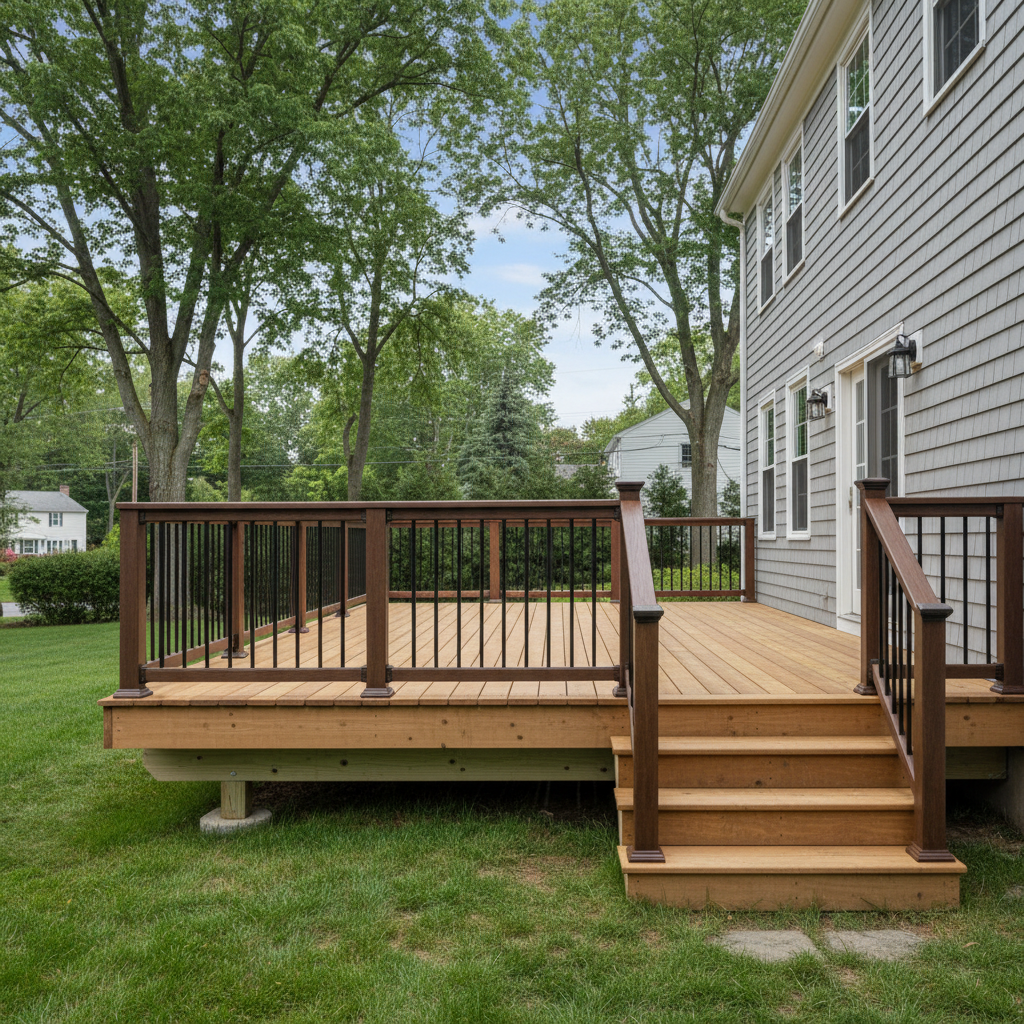
So, you're eyeing your deck railings, maybe they're a bit wobbly, looking dated, or you're finally getting around to adding some. Good for you! Railings aren't just for show, you know; they're a really important safety feature. But I've seen more than a few homeowners right here in Arlington stumble over some pretty common mistakes when they're planning or hiring for this kind of project. Let's make sure you don't end up in that group.
Mistake #1: Focusing Only on Price, Not Value
This one's a big deal. Everybody wants a good deal, I totally get that. But when you're comparing bids for deck railings, especially here in Arlington where we've got everything from charming old Victorians to sleek new builds, just looking at the lowest number is a surefire way to regret your decision later. A super low bid could mean a few things: cheap materials, folks who don't really know what they're doing, or cutting corners on safety and code. You definitely don't want railings that look great for a year and then start to rust, splinter, or, even worse, fail an inspection.
Think about the long haul. Is the contractor using good quality fasteners? Are they properly sealing cuts in composite or wood? Will they still be around if something goes wrong? Value isn't just the dollar amount; it's the feeling of security, the durability, and the safety you're actually paying for.
Mistake #2: Ignoring Local Building Codes and Permits
I really can't emphasize this enough. Arlington has specific building codes, and they exist for a reason: your safety. Railings have rules for height, for how far apart balusters can be (usually no more than 4 inches, so a 4-inch sphere can't slip through), and how they're attached. I've seen people try to DIY or hire someone who "doesn't bother with permits" just to save a buck. Huge mistake.
First off, it's against the law. Second, if you ever sell your house, an unpermitted structure can cause some serious headaches. Third, and most importantly, it's just plain dangerous. A railing that doesn't meet code might not hold up when it really needs to. Can you imagine a party on your deck, and someone leans against a railing that wasn't built right? It's simply not worth the risk. A good contractor, like us at Arlington Deck Solutions, will always pull the necessary permits and make sure everything meets or even exceeds local standards.
Mistake #3: Not Considering Material Durability for Our Climate
We live in New England, after all. Our weather isn't exactly mild. We get scorching, humid summers, freezing winters, and plenty of rain and snow. Whatever material you pick for your railing needs to stand up to all of that. I've seen some beautiful wood railings installed without the right treatment or a plan for maintenance, and they just don't last. They rot, they warp, and then they become a hazard.
When you're choosing materials, think about how long they'll last. Pressure-treated wood is a decent start, but it still needs regular sealing. Composites and PVC are fantastic if you want low maintenance, but make sure they're UV-stabilized so they don't fade or get brittle in the sun. Aluminum or steel railings offer great strength and hardly any upkeep, but they need proper coatings to stop rust, especially with all the salt we use on our roads and sidewalks in winter that can get tracked onto decks.
Mistake #4: Overlooking the Importance of Proper Installation Techniques
A railing is only as strong as its weakest point, and often, that's where it attaches to the deck frame. I've seen railings just screwed into the deck fascia board with short screws. That's just not going to hold up, is it? Railings need to be really securely fastened to the structural parts of your deck — the joists or rim joist — using the right hardware. This often means through-bolting or using special structural screws made for this job.
Post sleeves are another spot where people cut corners. If you're putting a composite or vinyl sleeve over a wood post, remember that wood post is still doing all the heavy lifting. It needs to be properly secured. Don't let anyone tell you that simply gluing or screwing a decorative sleeve to the deck surface is enough for structural support. It absolutely is not. Ask your contractor how they plan to attach the posts and the railing sections. They should be able to explain it clearly, and with confidence.
Mistake #5: Forgetting About Maintenance (Even for 'Low-Maintenance' Options)
Even the toughest materials aren't completely maintenance-free. "Low maintenance" doesn't mean "no maintenance." You'll still need to clean them periodically to prevent mildew and grime buildup, especially on decks facing north that don't get much sun. For example, railings on houses near Spy Pond tend to see more moisture and shade, which can really speed up mildew growth if you don't clean them regularly.
If you pick wood, you're signing up for regular cleaning, sanding, and re-sealing or painting every few years. Make sure to factor that time and cost into your decision. Don't just install it and then forget about it; a little bit of care goes a long way in making your railings last and keeping them safe.
Hiring a pro for your deck railing project should give you a sense of calm, not more headaches. By steering clear of these common mistakes, you'll end up with a beautiful, safe, and long-lasting railing system that you and your family can enjoy for years to come. Do your homework, ask the right questions, and never settle for anything less than what your home and family truly deserve.