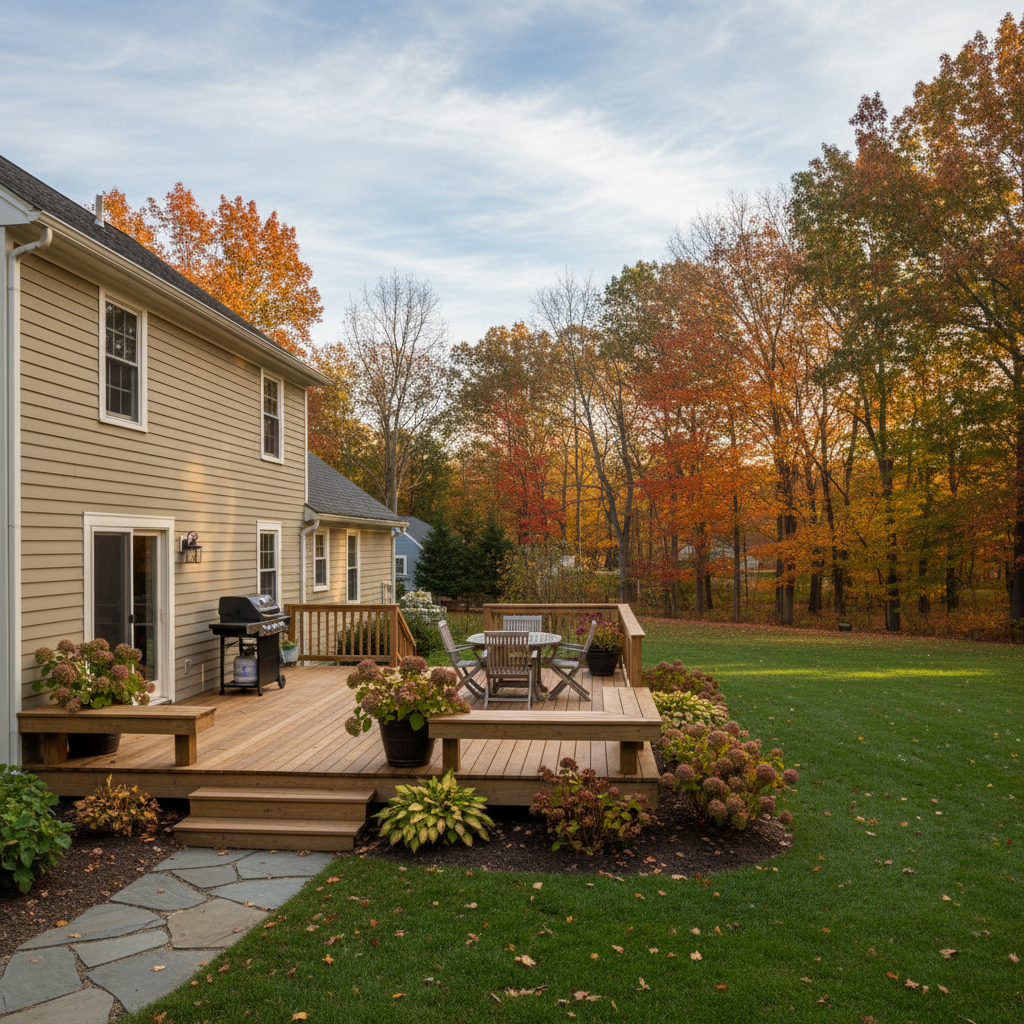
You've got a beautiful wooden deck, right? It's a big investment, and you want it to last. Here in Arlington, our weather can be a real roller coaster, and that means your deck takes a beating. I've been building and fixing decks around here for years, and I've seen firsthand what our climate does to wood. So, let's talk about how to protect your deck year-round.
Understanding Our Local Weather & Your Deck
Our New England climate is tough on decks, no doubt about it. We get those humid summers, freezing winters, and plenty of rain and snow. That constant expansion and contraction from temperature swings, plus all that moisture, is what really breaks wood down over time. It's not just about rot, either; it's about warping, cracking, and fasteners loosening up. Think about those old homes in the Heights; their original wood features lasted because folks understood how to protect them from the elements. It's the same principle for your deck.
When to Build or Repair: Timing is Everything
If you're thinking about a new deck or a major repair, timing really matters. I usually tell folks that late spring through early fall is the sweet spot for construction. Here's why:
Spring (April-May): The ground's thawed, and the weather's usually cooperative. It's warm enough for stains and sealants to cure properly, and you'll have your deck ready for summer entertaining. This is when our schedule starts filling up fast at Arlington Deck Solutions.
Summer (June-August): We can certainly build in the summer, but those hot, humid days can sometimes mean slower drying times for finishes. Plus, you might lose out on some prime deck-sitting time if we're still working on it.
Fall (September-October): This is another great window. The air is crisp, and temperatures are usually ideal for construction and finishing. You might even beat the rush and get a slightly quicker turnaround before winter really sets in.
Winter (November-March): Building a deck in winter is generally a no-go for wood. The cold temperatures make wood brittle, and snow and ice make working conditions unsafe and finishing pretty much impossible. Most stains and sealants won't cure correctly below certain temperatures, too.
Weather Conditions That Affect Deck Work
When I'm scheduling a job, I'm always watching the forecast. Here are the main things that can delay or impact deck work:
Rain: Obvious one, right? We can't install decking or apply finishes in the rain. Wood needs to be dry for proper adhesion and to prevent moisture from getting trapped. Heavy rain can also make the ground muddy and unsafe for crews and equipment.
Temperature: As I mentioned, extreme cold is a problem. But even very hot days can be tough on finishes, causing them to dry too quickly or unevenly. We aim for that Goldilocks zone – not too hot, not too cold.
Humidity: High humidity, especially in summer, can extend drying times for stains and sealants. It's not a deal-breaker, but it means we might need an extra day or two for things to cure properly before you can use your deck.
Wind: Strong winds can be dangerous, especially when working with larger pieces of lumber or if we're doing any kind of elevated work. It can also cause airborne debris to stick to wet finishes, which you definitely don't want.
Year-Round Protection for Your Wooden Deck
This is where you come in. A little regular maintenance goes a long way. Think of it as protecting your investment.
Spring Cleaning: Once the snow melts and things dry out, give your deck a good cleaning. Use a deck cleaner (follow the directions!) and a stiff brush, or a pressure washer on a low setting. Be careful with pressure washers; too high a setting can damage the wood fibers. After it's clean and dry, inspect for any loose boards, popped nails, or splinters. Address those right away.
Summer Maintenance: Keep it clean. Sweep off leaves and debris regularly. Don't let puddles sit for too long, especially after a summer storm. If you have potted plants, lift them occasionally to let the deck breathe underneath; trapped moisture is a killer. This is also a good time to reapply a sealant if your deck is due. Most quality sealants last 2-3 years, but some might need it annually depending on exposure.
Fall Prep: Before the leaves really start falling, give your deck another thorough cleaning. Get rid of all the leaves, pine needles, and dirt. If you let them sit under a layer of snow all winter, they'll hold moisture against the wood and encourage rot and mildew. Check your railings and steps for any wobbles or loose connections. It's better to fix them now than when they're covered in ice.
Winter Watch: Try to keep heavy snow loads off your deck, especially if it's an older structure. Shovel off snow if you can, but be careful not to gouge the wood with your shovel. Avoid using rock salt or de-icers on your wooden deck; they can be corrosive and damage the wood and its finish. Sand is a safer bet for traction. Also, make sure your downspouts aren't dumping water directly onto or under your deck.
Taking these steps throughout the year will really extend the life of your deck. It's not just about looking good; it's about keeping it safe and sound for years of enjoyment. If you've got questions or need a hand with repairs or a new build, you know who to call.